The Ultimate Shield: Mastering Cell Culture Protection and Quarantine
Safeguard your most precious cell lines and prevent incubator cross-contamination with a robust, multi-layered defense strategy.
The Need for Protection and Quarantine
In high-traffic, shared laboratories, your cell cultures are constantly vulnerable. A single contaminated flask can quickly compromise an entire incubator, nullifying months of expensive research. Standard aseptic technique is crucial, but it is not a fail-safe against airborne pathogens or insidious cross-contamination.
Whether you are introducing newly arrived, suspicious cell lines to your lab or handling extremely precious primary cells, relying solely on standard multi-well plates and Petri dishes exposes you to unnecessary risk. What laboratories require is a dedicated mechanism for protection and quarantine—a physical barrier that secures isolated experiments while maintaining optimal physiological conditions.
The Persistent Challenge of Incubator Contamination
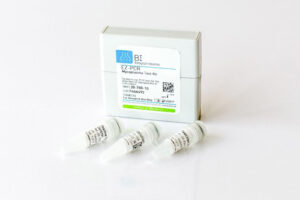
Contamination in cell culture remains a primary cause of experimental failure, especially when transporting samples between biosafety cabinets and communal incubators. A robust contamination control strategy requires vigilant surface cleaning with lab-grade disinfectants and routine screening for insidious microbes like mycoplasma using sensitive detection kits.
Common Contamination Vectors
- Airborne Contaminants: Open-air handling during transfers creates immediate exposure risks.
- Cross-Contamination: Shared incubators can easily spread microbes between adjacent cultures.
- Equipment Failure: Non-autoclavable trays or damaged filters compromise long-term sterility.
The Immediate Impact
- Lost Experiments: Wasted time, expensive reagents, and irreplaceable primary samples.
- Compromised Equipment: Hidden contamination can persist inside incubators, ruining future work.
- Project Delays: Leads to significant timeline delays and reproducibility crises.
The FastGene® Cell Culture Chamber: A Sterile “Box-Within-A-Box”
The FastGene® Cell Culture Chamber serves as the ultimate quarantine vessel. By housing your culture containers (Petri dishes, flasks, or plates) within this chamber, you create a sterile environment that blocks out bacteria, fungi, and spores. It is the definitive solution for quarantining newly arrived cell lines before they have the chance to compromise your shared incubator.
At the core of this protective shield is its advanced filter technology. The chamber utilizes replaceable hydrophobic filters with a < 0.4 µm pore size. These filters strictly prohibit the passage of pathogens while remaining entirely permeable to vital gases (CO2 and O2) and moisture. Your cells experience no environmental lag.
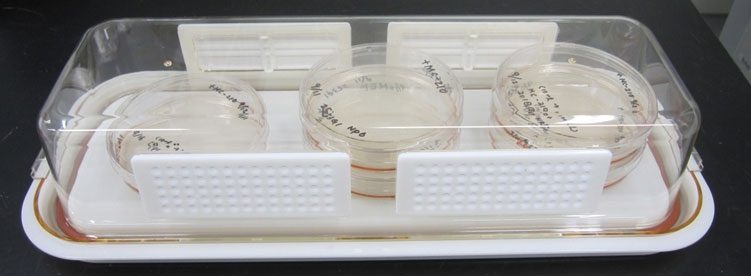
Key Chamber Benefits:
- HEPA-Filtered Protection: A built-in, replaceable filter with a pore size of less than 0.4 µm creates a robust barrier against airborne bacteria and fungal spores, shielding your plates during storage and lab transit.
- Autoclavable & Durable: The entire chamber body is fully autoclavable, ensuring it can be maintained at cell-culture grade sterility. Note: Filters are disposable and should not be autoclaved.
- Compact & Practical: Designed to fit seamlessly inside standard incubators, the chamber holds multiple plate formats and T-flasks, making it the ideal segregation tool for labs juggling multiple sample batches.
A Multi-Layered Defense Toolkit
While physical quarantine shields individual samples, absolute sterility requires a holistic approach. Strengthen your lab’s contamination defenses by integrating these essential cross-protective measures.